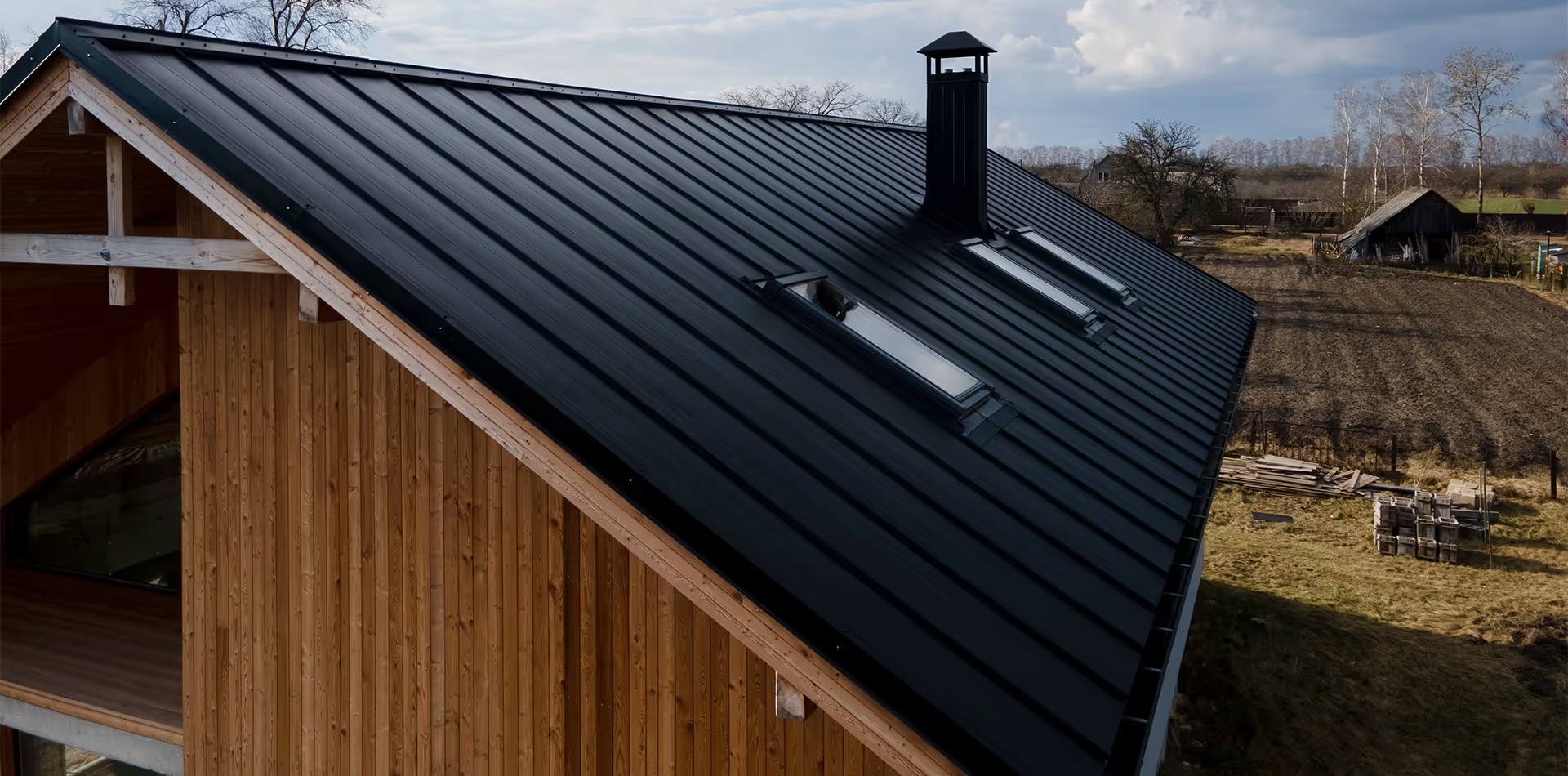
Your roof takes a beating every day, relentlessly. In Quebec, thermal shocks from freeze-thaw cycles, heavy snow, and abundant rain put it under constant pressure. Yet, many homeowners only act once a leak is well established, and it's often at that point that repairs become significantly more expensive. This article helps you recognize the signs that indicate a repair is needed, to protect your home before damage accumulates.
A roof rarely degrades all at once. The first signs appear gradually : a small yellow stain on the ceiling, a few slightly lifted shingles, a gutter overflowing after every rain. Taken separately, these signs may not seem urgent. But when several appear at once, it's best not to wait.
The most common mistake is to wait for a visible leak before calling in a professional. By this point, water has often already penetrated the structure, and repairs extend far beyond what was anticipated. Poor attic ventilation can also discreetly accelerate shingle wear, even without apparent water leaks.
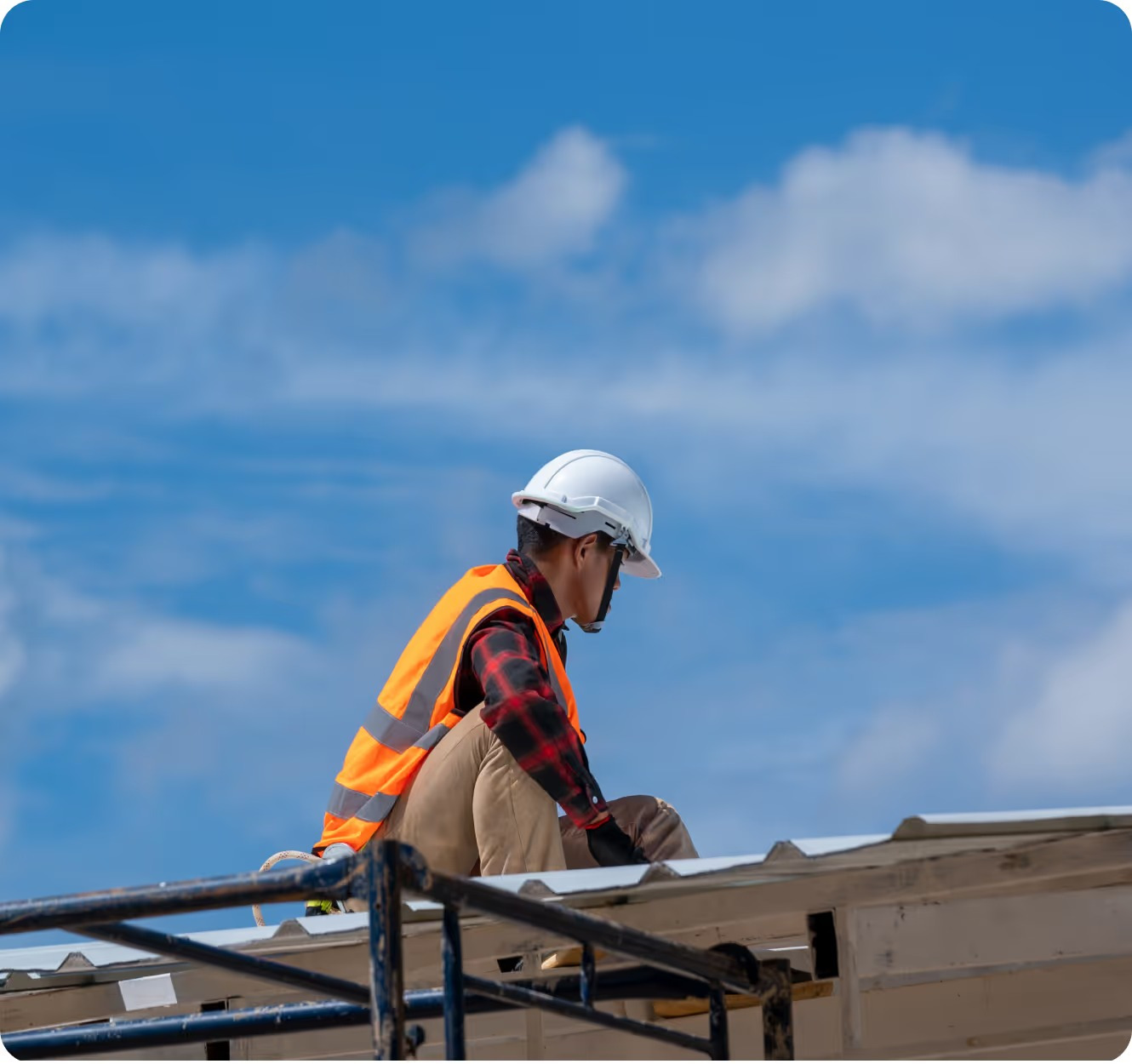
Start by looking up. Indoors, the first signs of a roofing problem often appear on the ceiling or in the attic: brown or yellowish stains on painted surfaces, a persistent musty smell even in dry weather, or mold on the attic rafters. These clues don't always correspond to the exact location of the breach. Water infiltration can travel far before manifesting as stains on interior walls.
If the paint starts to blister on interior walls, moisture has likely been accumulating for a while. In some cases, repeated leaks also end up driving up heating bills, because roof insulation deteriorates over time.
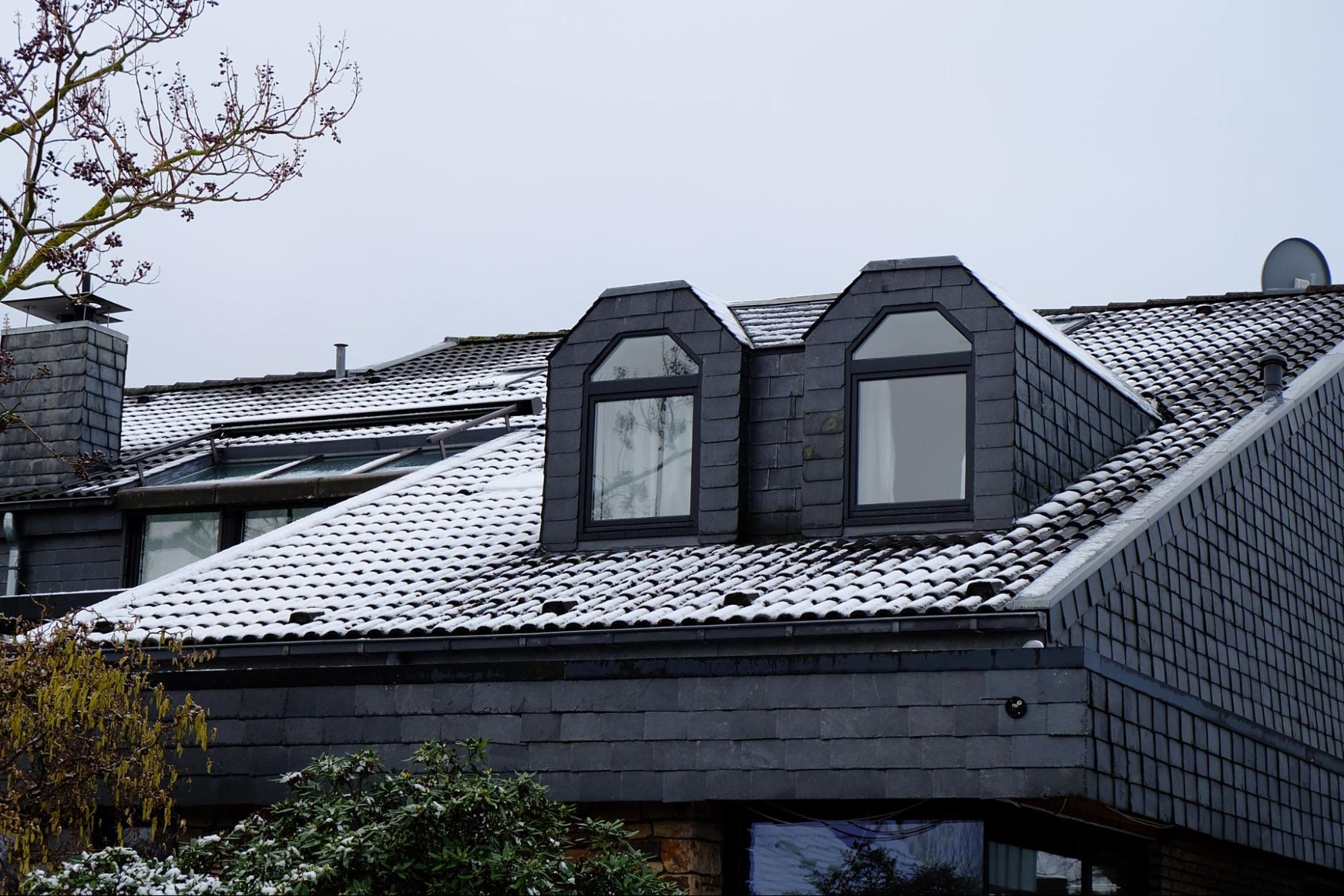
From the ground or a high window, examine the overall condition of your roof. Missing, warped, or lifted shingles by the wind indicate advanced wear or weather damage. A loss of visible granules in the gutters indicates that the shingles are nearing the end of their lifespan. Lichens or moss on the shingles growing on the shingles retain moisture and accelerate degradation over time.
Other details also warrant attention: rusted or detached flashings around chimneys and penetrations, often the first entry point for water; visible sagging in certain areas, which can signal a risk of collapse that should not be underestimated; cracks on the flashings or around ventilation tiles, which are often overlooked during routine inspections.
In some cases, visible sagging combined with several missing shingles may justify a complete replacement rather than a partial repair. A professional roofer can help you assess if a new roof is the best long-term option for your home.
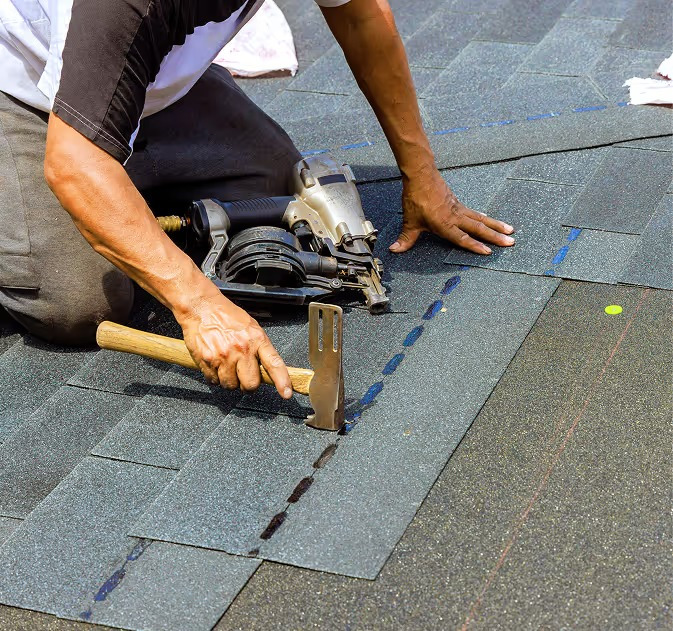
Water drips after rain, stains that spread week after week, or sagging in certain areas : these are situations that call for prompt action. Moisture settling into the structure can damage framing beams, especially under the weight of snow in winter, and the damage then extends far beyond the roof itself.
A professional inspection by an RBQ-licensed roofer quickly determines whether a partial repair is sufficient or if a complete re-roofing is necessary. This diagnosis usually takes little time and guides the entire future strategy. The Régie du bâtiment du Québec governs residential renovation work, including roofing, and reminds us that each municipality can apply its own standards : another reason to entrust the diagnosis to a qualified professional.
The spring and fall are the most favorable times to plan roofing work in Quebec. Temperatures are more stable, roofers still have availability, and materials are not out of stock.
In summer, especially between June and August, demand peaks and lead times can increase. If you notice signs of shingle wear during the warmer months, waiting until the following fall or spring is often the wisest decision. In winter, only emergency repairs are feasible, with significant climatic constraints to consider.
A few simple steps are enough to keep your roof in good condition longer. Remove significant snow accumulation to avoid structural overload due to the weight of the snow. Clean gutters in spring and fall to ensure adequate drainage. Trim branches that directly overhang the roof, and ensure your attic ventilation is working correctly: Poor ventilation accelerates shingle deterioration faster than you might think. Have your roof inspected by a professional roofer every two to three years once it's over ten years old.
These habits don't replace a professional assessment, but they help identify problems long before they worsen.
Stains on the ceiling, granule loss in the gutters, missing shingles: none of these signs should be put off. Acting early protects your investment and prevents much larger repairs. With regular maintenance and a trusted professional, your roof can last for many more years.
Our team can help you assess the situation and determine if a targeted repair or a professional inspection is necessary.
Contact us to discuss your roofing needs, no pressure.