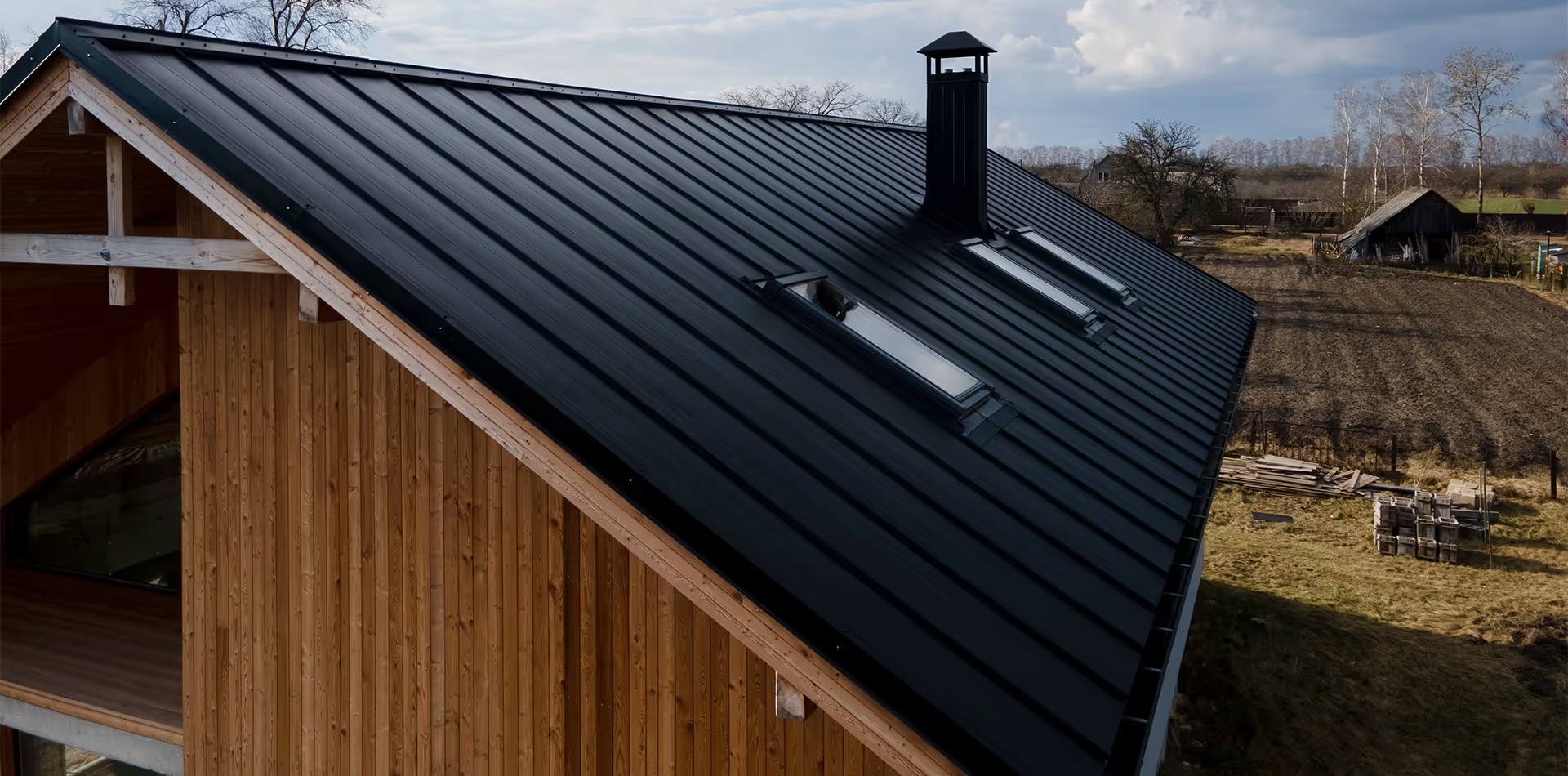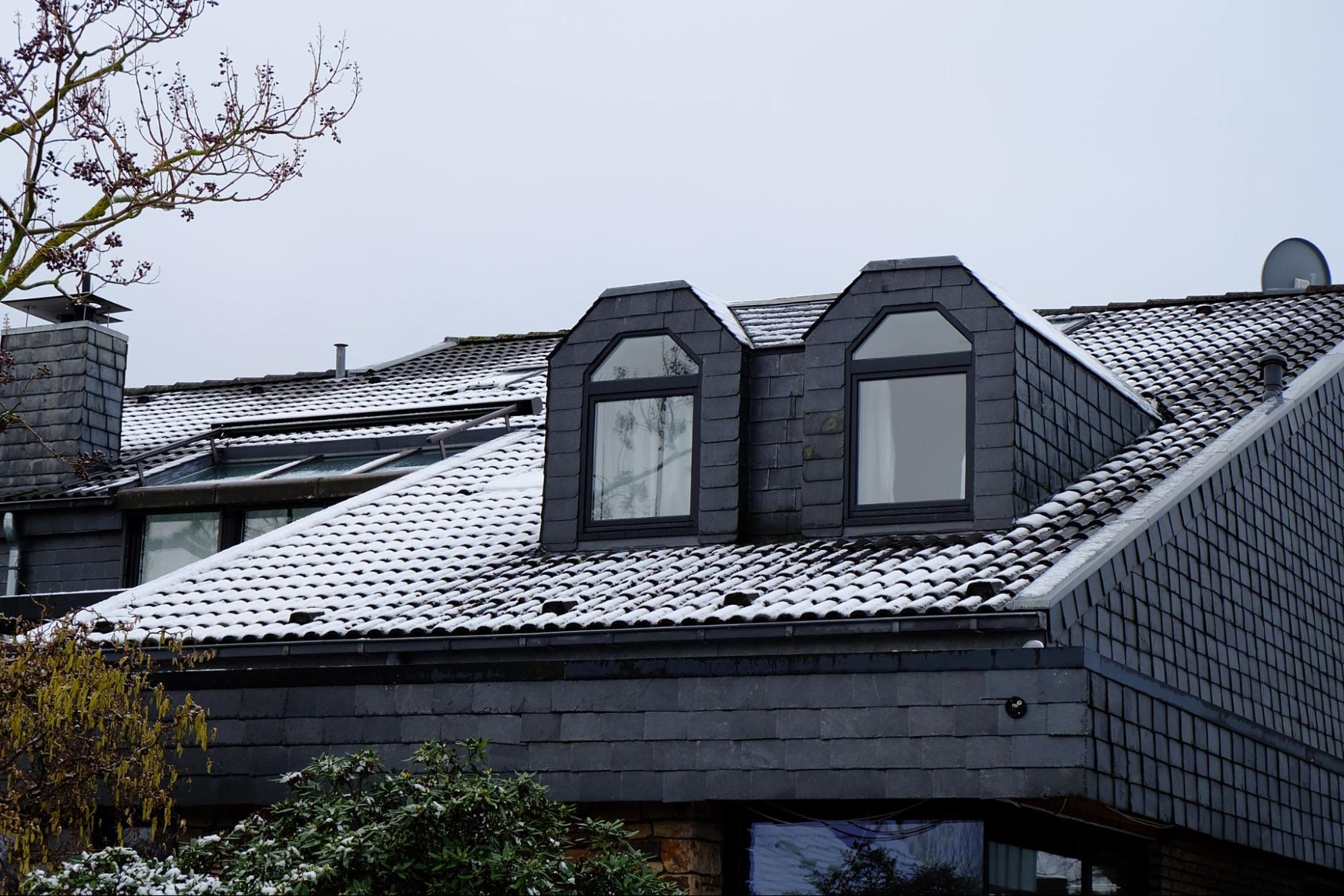
If you are renovating your roof and are drawn to slate for its character and timeless elegance, you may find it difficult to decide between natural stone and synthetic imitation. Weight, maintenance, and climate resistance are all factors to consider, and these are exactly the points we break down here.
Natural slate comes from a rock called slate schist, which is quarried and then split into tiles. Each tile retains unique shades and textures. No imitation can truly replicate this look.
Synthetic slate takes a different path: it is industrially manufactured from fiber cement or composites, designed to mimic the look of stone at a lower cost. One detail to keep in mind, regardless of the material chosen: in Quebec, any contractor installing or replacing a roof must hold an appropriate license from the Régie du bâtiment du Québec. Verifying this number before signing a contract protects your investment.
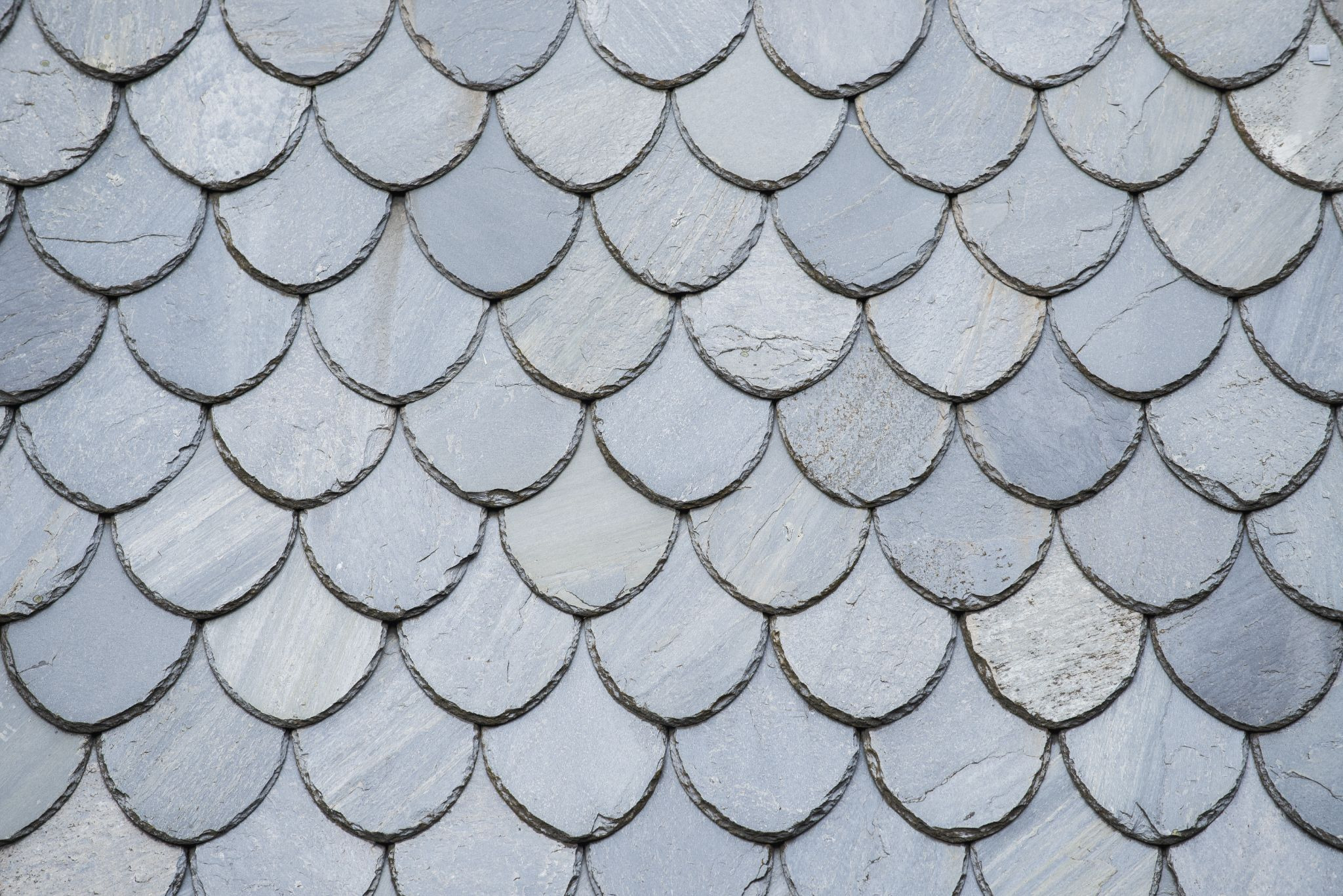
Natural slate is significantly heavier than synthetic slate. As a result, a reinforced roof frame often becomes necessary, especially in renovations where the existing structure was not designed for this type of roofing.
In Quebec, this factor counts double: snow load on roofs adds to the weight of the material itself. The National Research Council of Canada points out that the weight of snow accumulated on a roof varies considerably depending on local conditions, especially when rain is added to the mix in winter. An engineer or a qualified roofer can verify whether your roof frame can support the combined weight of the slate and winter accumulation.
Roof pitch matters too. The Quebec Construction Code (Table 9.26.3.1.) sets a minimum slope of 1:2, or 6/12, for a slate roof covering. For synthetic slate, the manufacturer's instructions set the minimum slope for each model. Our guide on minimum roof slopes by material details these thresholds.
Natural slate generally requires little maintenance to prevent moss, thanks to its low-porosity mineral surface. It may, however, stain more easily in urban environments, though this does not affect its protective function.
Synthetic slate behaves differently: its surface can promote the accumulation of moss and lichen. Gentle cleaning and the regular application of an anti-moss treatment help preserve its appearance for longer.
Many homeowners choose slate without first having the load-bearing capacity of their roof structure checked, which can lead to costly surprises during the project.
Another common mistake is neglecting preventive maintenance, regardless of the material chosen. A poorly maintained roof ages faster and loses its visual appeal sooner than expected.
| Situation | What It Means | What to Do |
| Older or non-reinforced roof structure | The weight of natural slate may exceed the structure's load-bearing capacity | Have the structure evaluated by a qualified professional before making a decision |
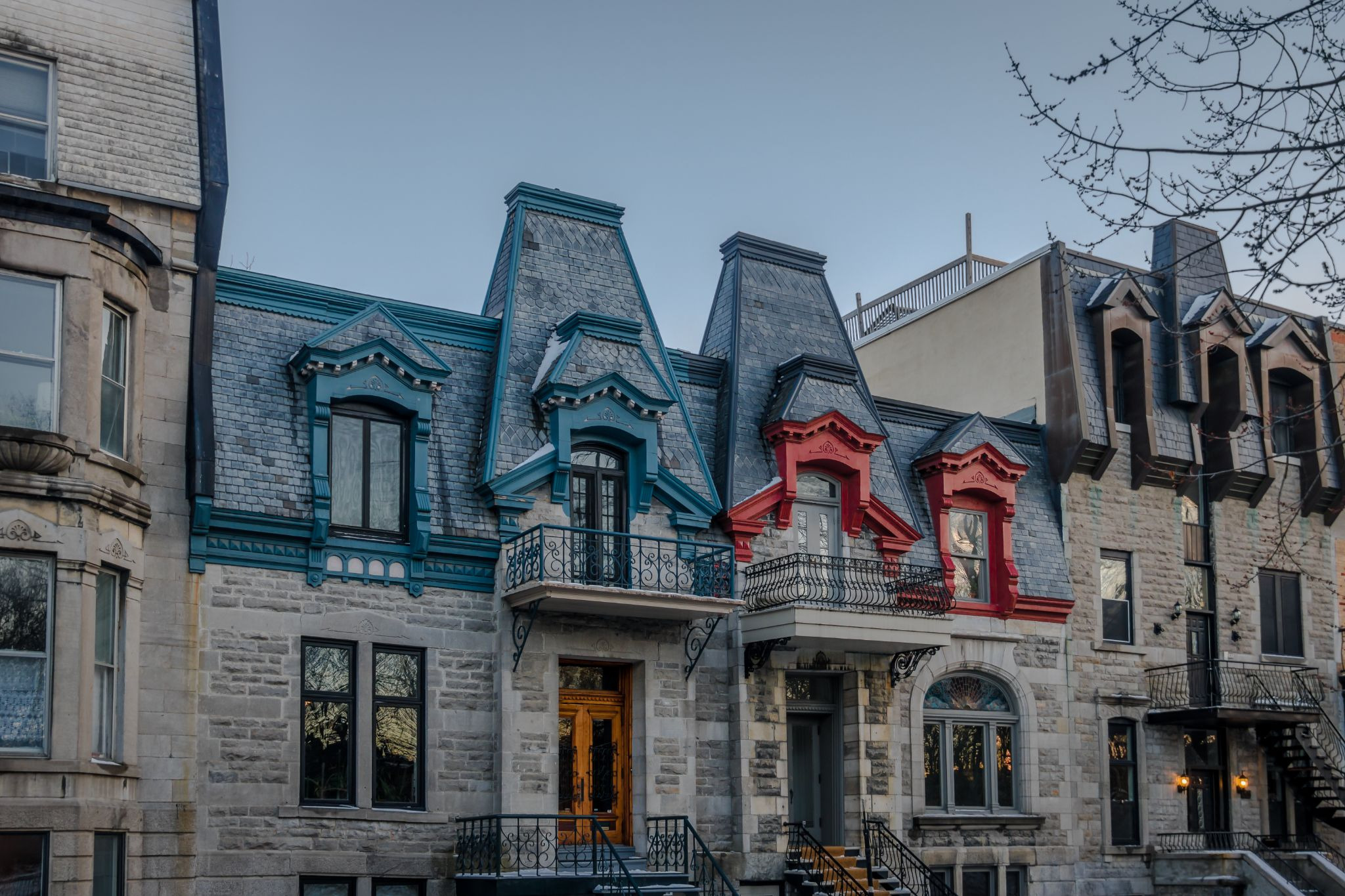
| Heritage home or neighborhood with architectural character | The authentic appearance of natural stone is often preferred | Choose natural slate if the structure can support it |
| Tighter renovation budget or fast renovation project | Synthetic slate offers a similar appearance with less weight | Consider synthetic slate as a practical alternative |
| Roof exposed to heavy snow accumulation | The combined weight of the snow and roofing material must be carefully calculated | Request a snow load assessment from a qualified engineer or roofer |
| Cracked or slipped natural slate | A slate can be removed and replaced individually, without redoing the whole roof | Have the repair done by a roofer experienced with slate, using copper or stainless steel nails |
Regardless of the material chosen, an annual inspection of the roof allows for the quick identification of displaced or damaged tiles. After every major snowstorm, a quick visual check from the ground is often enough to detect a developing problem before it gets worse.
The best choice depends primarily on your home, your roof structure, and your priorities, rather than one universally superior material. Whether you opt for the authenticity of stone or the practicality of composite, both options can provide an elegant and durable roof when properly installed and maintained.
If you are still undecided between the two options, our team at 123 Couvreur can evaluate your current roof and help you understand which one is best suited for your property.
Contact us with any questions.
Not necessarily. It depends on the age and design of your existing structure. A roofer or structural engineer can determine whether your roof frame can support the additional weight without modifications, especially in areas that experience heavy snow accumulation.
Yes, in many cases. Its lighter weight often makes it a practical solution when the original roof structure cannot support a heavier load, while still providing an appearance that closely resembles traditional slate.
You can verify your contractor's license number directly through the official registry of the Régie du bâtiment du Québec before signing any contract, helping to protect you in the event of a dispute.
Quebec winters add snow and ice loads that should be monitored regardless of the roofing material. A visual inspection after major snowstorms can quickly identify any signs of excessive weight or damage.
As a rough guide, price ranges published in 2026 put natural slate at about $15 to $30/sq ft installed in Montreal, and synthetic slate at about $8 to $15/sq ft in Canada. The origin of the stone, the roof pitch and any structural reinforcement all affect the bill: only a detailed quote gives the real price.
This is generally not recommended for both aesthetic and structural reasons. Each roof section should use a single type of material to ensure a consistent appearance and predictable structural performance.