If you are shopping for a new roof, aluminum likely keeps coming up in your search. That’s no surprise: the material is known for being lightweight, durable, and virtually maintenance-free. However, like any roofing material, it has its limitations, especially in a climate as demanding as Quebec's. Here is a simple overview of the pros and cons of aluminum roofing to help you decide if it’s the right fit for your project.
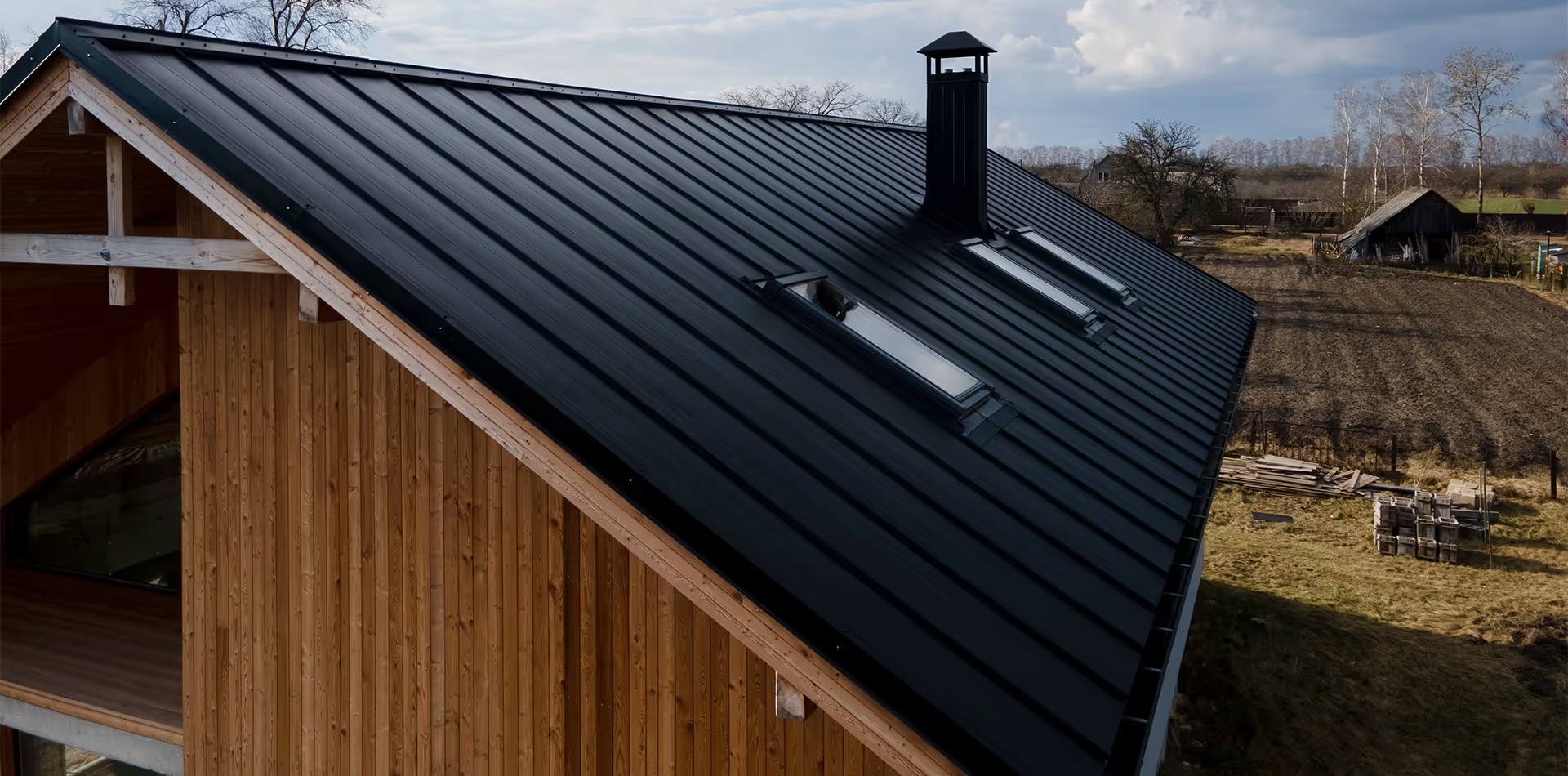
Aluminum stands out primarily for its weight: it is one of the lightest metals used in roofing. This lightness reduces the stress on the building's structure and sometimes allows for the new roofing to be installed directly over the old one, provided it is in good condition.
The material is also highly resistant to corrosion, rot, and moss growth. In Quebec, any contractor installing this type of roof must hold an appropriate license from the Régie du bâtiment du Québec, which applies to aluminum just as it does to any other roofing material. In 2026, checking this licence number before signing a contract is still good practice, regardless of the material chosen.
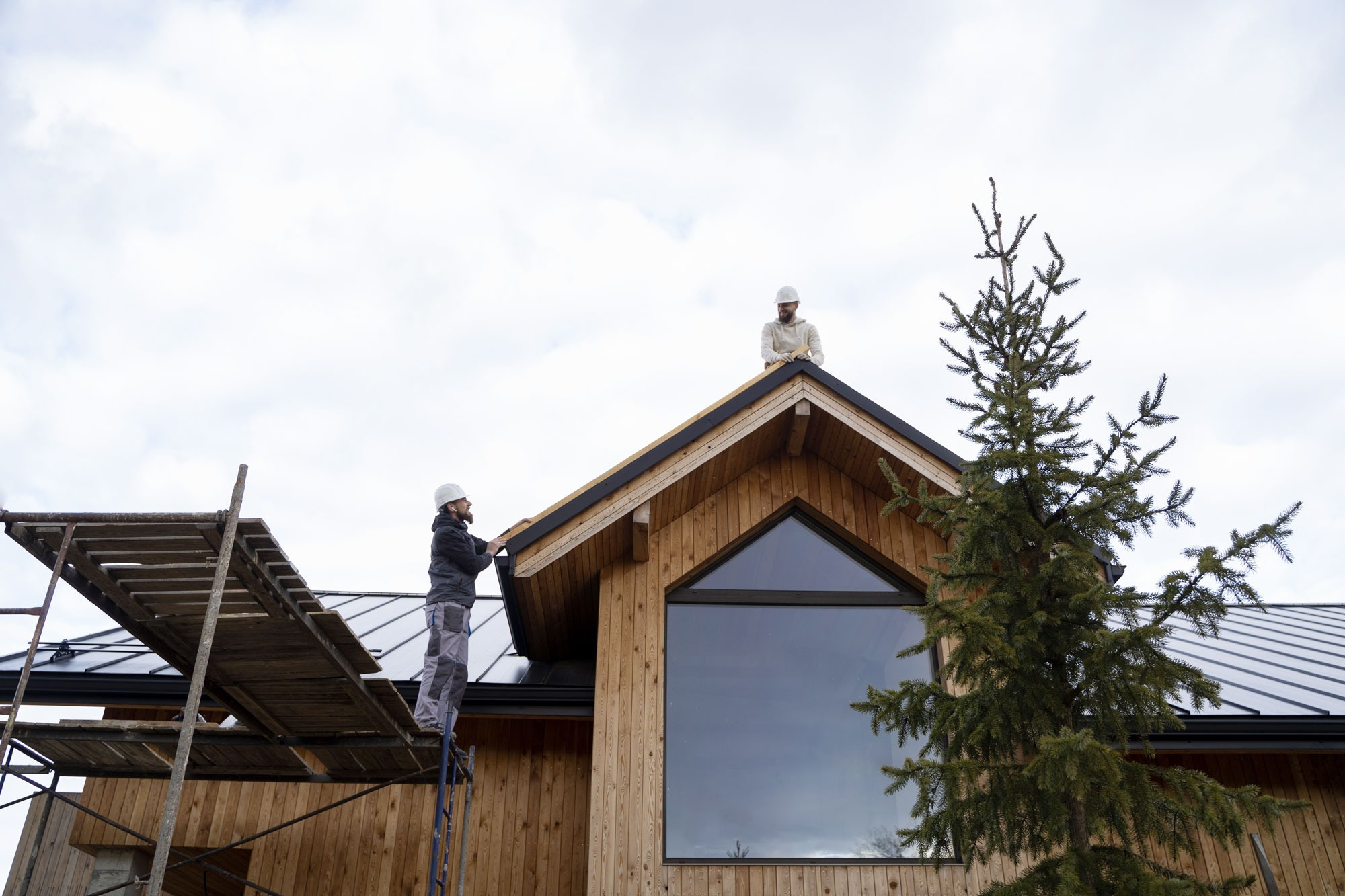
Its smooth surface also helps snow slide off more easily, which reduces accumulation on the roof during winter. This is a significant asset in a climate where Quebec roofs must contend with heavy snow loads.
Aluminum also has the advantage of being fully recyclable, without any loss of quality through repeated recycling. For a homeowner committed to reducing their home's environmental footprint, this is a point worth serious consideration.
Aluminum on its own offers virtually no thermal or acoustic insulation. Without proper insulation under the roof, the house may lose heat more easily in winter, and the sound of rain or hail may become more noticeable inside.
Some manufacturers promote reflective coatings to improve energy performance. However, you should remain cautious: Natural Resources Canada points out that radiant insulation products, such as certain reflective coatings, are not governed by any official standards. It is better to rely on an R-value verified by a technical data sheet rather than just marketing promises.
Aluminum also has its own Code requirements. The Quebec Construction Code sets the minimum thickness of aluminum roofing sheet at 0.48 mm, compared with 0.33 mm for galvanized steel (article 9.26.13.1.). The minimum slope for profiled metal sheets and metal shingles is 1:4, or 3/12, except for a system designed for low slopes and installed according to the manufacturer's written instructions (article 9.26.3.1.).
Some homeowners install an aluminum roof thinking it will solve their home's insulation problems on its own. That is not its purpose. Insulation is primarily handled under the roof, not by the exterior cladding.
Trusting the installation to a contractor without verifying their license is another common mistake. Poorly executed installation can lead to water leaks, even with a material as durable as aluminum.
| Situation | What It Means | What to Do |
| Old or fragile roof structure | Aluminum's lightweight design reduces stress on the structure | Have compatibility confirmed by a licensed roofer |
| Home with poor roof insulation | Aluminum alone will not compensate for inadequate insulation | Schedule an insulation assessment before starting the work |
| Looking for minimal long-term maintenance | Aluminum is highly resistant to rust and moss growth | Consider aluminum as a low-maintenance roofing option |
| Area with heavy snowfall | The smooth surface helps snow slide off more easily | Ask a qualified roofer to evaluate roof snow management |
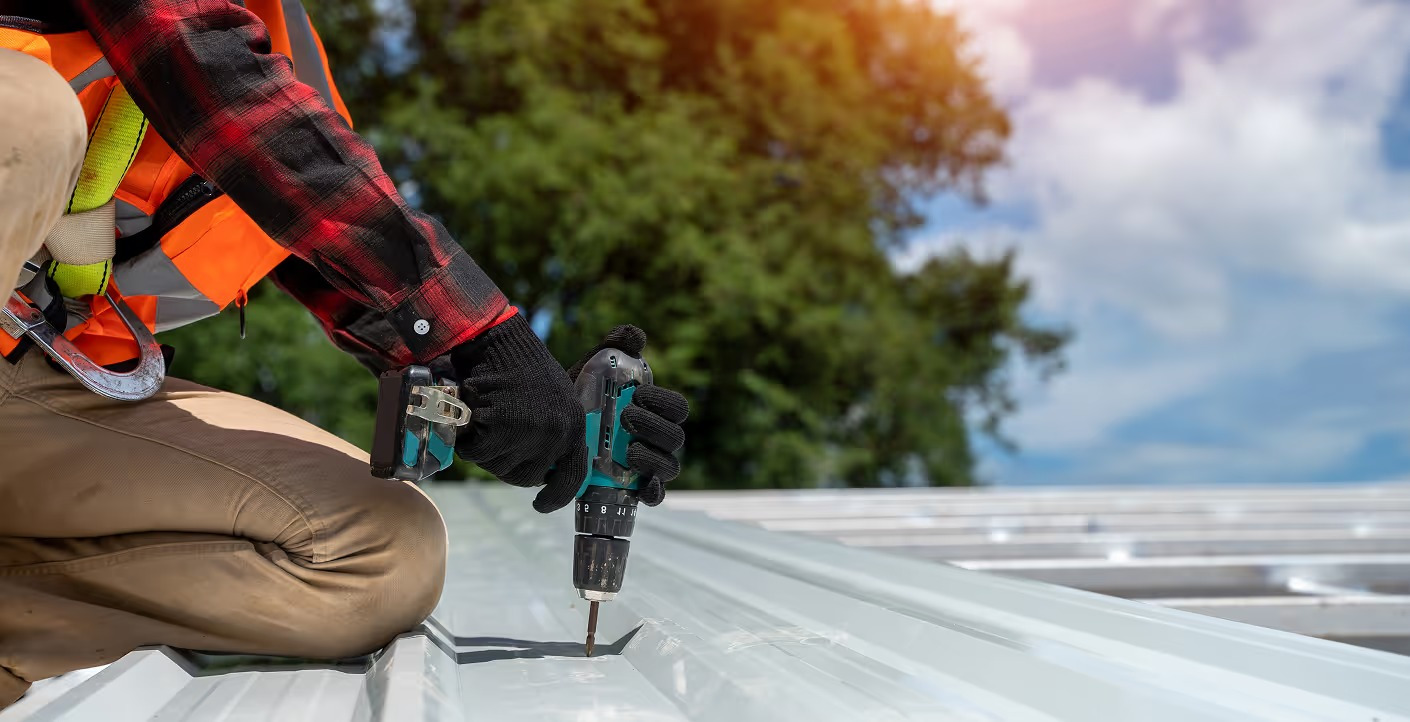
A annual visual inspection allows for the quick identification of warping, loose panels, or signs of unusual wear. After a major hailstorm, taking an extra look is a good habit to get into, even though aluminum generally holds up well against impacts.
No material is perfect for every project, but aluminum often checks most of the boxes for those seeking lightness, low maintenance, and durability. The key is to properly assess your home's insulation and entrust the installation to a qualified roofer to fully enjoy its benefits without dealing with its limitations.
If you are torn between aluminum and another material, our team at 123 Couvreur can assess your current roof and guide you toward the best option for your property.
Contact us for custom quotes.
In most cases, yes, since its lightweight design reduces the load placed on the structure. However, a licensed roofer should confirm that your roof structure is compatible, especially if it is older or already weakened.
In almost all cases, yes. Aluminum alone provides very little thermal or sound insulation. Proper insulation beneath the roof is still necessary to maintain indoor comfort and reduce noise from rain or hail.
Yes, it does. Its smooth surface helps snow slide off more easily, reducing accumulation. It also withstands repeated freeze-thaw cycles, which are a common challenge for roofs in Quebec.
Without adequate insulation or an appropriate underlayment, rain noise can indeed be more noticeable. A qualified roofer can recommend an acoustic underlayment to reduce this noise during installation.
Quebec price guides published in 2026 put installed aluminum at roughly $14 to $30 per sq. ft., depending on the profile (shingle, screwed panel or standing seam), the slope and the complexity of the roof. Removing the old roofing often adds $2 to $4 per sq. ft. It is generally more expensive than steel: compare at least two detailed quotes.
Often, yes, above an entrance, a walkway, a deck or a lower roof. The smooth surface that helps snow slide off can also make it fall in one mass. See when snow guards become necessary; the model and spacing follow the roofing manufacturer's instructions.
In some cases, yes, provided the existing roofing material is in good condition and relatively smooth. However, a licensed roofer should confirm that this approach is appropriate before proceeding to avoid potential waterproofing issues.