Replacing your roof isn't something you do often in life. And when the time comes, the choice of material carries significant weight: it directly impacts your home's durability, future maintenance costs, and the long-term value of the building. Quebec winters are unforgiving of poor choices. Freeze-thaw cycles, heavy spring rains, strong autumn winds: some coverings handle all of this very well, others much less so. This guide helps you make the best choice for your type of roof.
Before comparing materials, only one question truly matters: is your roof flat or sloped ? This detail determines everything else. The slope determines the possible roofing types, and therefore your actual options on the market.
In Quebec, the Régie du bâtiment du Québec (RBQ) sets minimum slopes depending on the materials. Some coverings simply cannot be installed on certain types of roofs. A certified roofer can quickly assess during an inspection, and this is information to have even before you start shopping around.
It's hard to miss asphalt shingles in Quebec. They dominate the residential market for a simple reason: they offer a good balance of price, ease of installation, and durability. Available in a wide range of colors, they fit in equally well in a dense urban neighborhood or a more residential area.
Their lifespan is generally between 15 and 25 years, depending on the shingle quality, installation, and ongoing maintenance. A localized repair remains simple to carry out without having to redo everything, which is a concrete advantage when a problem arises between two full replacements. For homeowners looking for a good roofing type without exceeding their budget, this is often the starting point.
Note: fiberglass shingles, lighter and more moisture-resistant, are gaining popularity for projects where the weight on the roof structure is a real constraint.
For flat or low-slope roofs, the elastomeric membrane is the clear choice. It's the Quebec standard because it holds up well against rainwater, tears, and significant temperature fluctuations, three constant realities in our climate.
When properly installed and maintained, it lasts between 25 and 30 years with minimal intervention. Unlike some gravel-covered roofs, it remains easy to inspect. An annual visit is enough to spot the first signs of wear before they turn into major repairs. For thermal comfort, proper installation also makes a real difference in winter heating costs.
Its installation requires the involvement of qualified professionals, but its longevity justifies the investment. Over 30 years, it's often the most economical option for flat roofs.
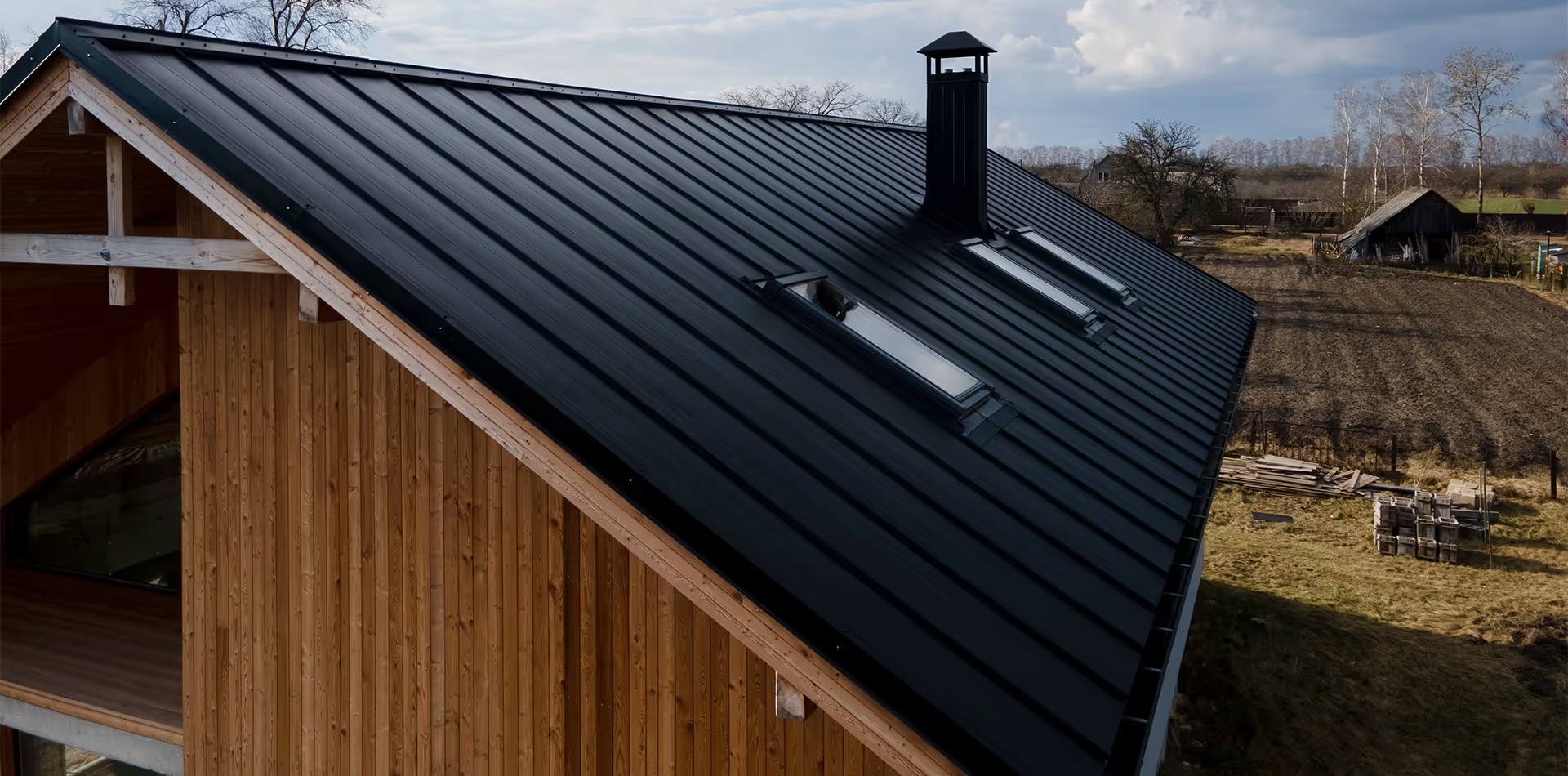
The metal roof, whether made of sheet metal, steel, or aluminum, was long associated with barns and cottages. That image has changed considerably. Today, it's integrated into modern residences and commercial buildings, and its advantages speak for themselves: relative lightness, resistance to strong winds, and rapid rainwater drainage.
Its lifespan commonly exceeds 50 years, with virtually no maintenance. A more expensive covering upfront, but one that lasts half a century, often ends up being cheaper than an affordable option that needs to be replaced twice. For owners who consider total cost, the math is clear. Steel decking deserves special mention: valued for its strength-to-weight ratio, it withstands heat, humidity, and harsh weather conditions well.
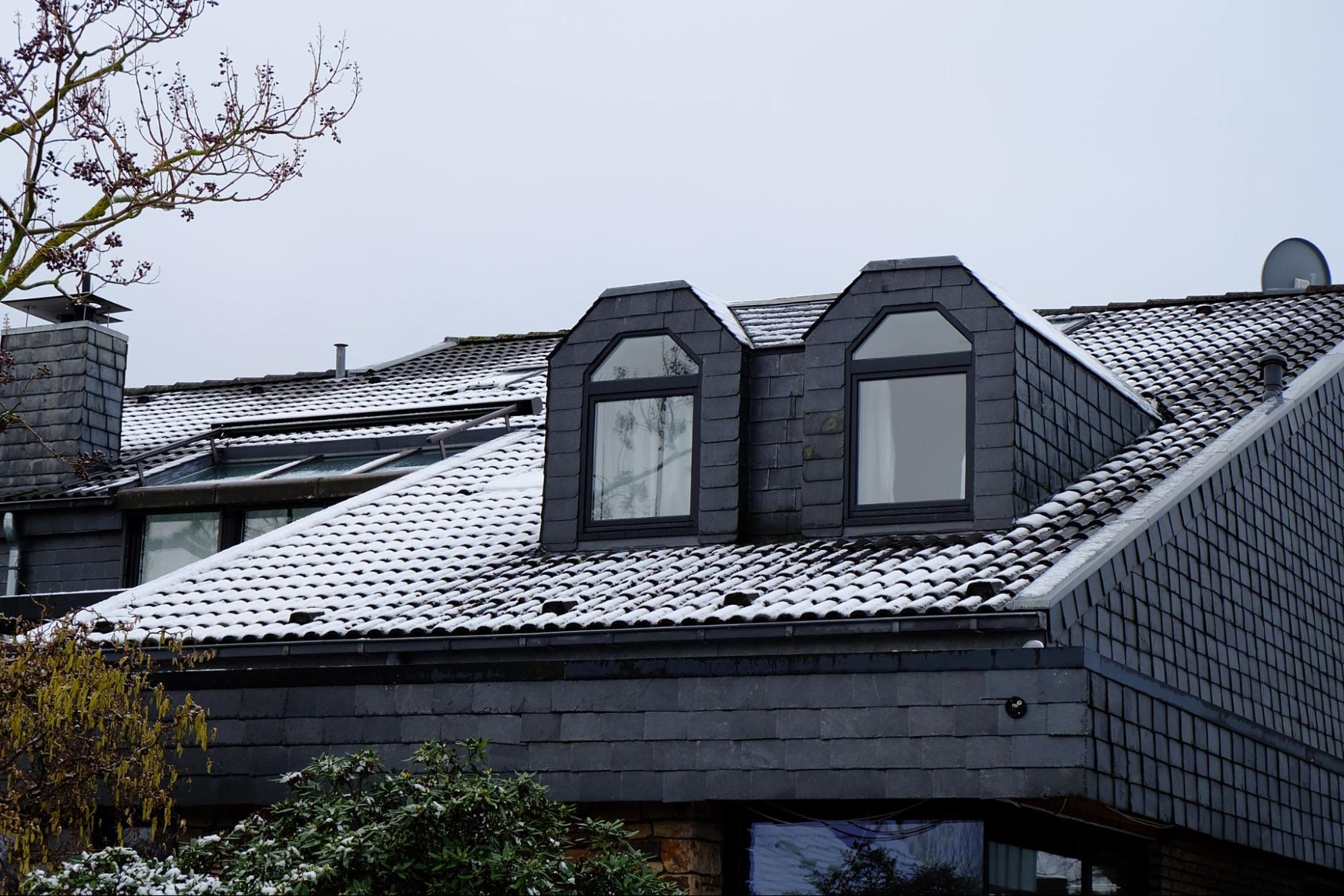
Other materials exist, although they are less common in Quebec. Terracotta tiles are appealing for their rustic charm and good thermal comfort properties, but their weight places serious constraints on the roof structure. Natural slate is a high-end option, valued for its longevity and aesthetics, but its cost and weight limit its use to specific projects. Wood shingles have an undeniable natural look, but require rigorous maintenance due to Quebec's humidity. As for TPO or EPDM membranes, these are mainly for large commercial buildings with flat roofs with large surface areas.

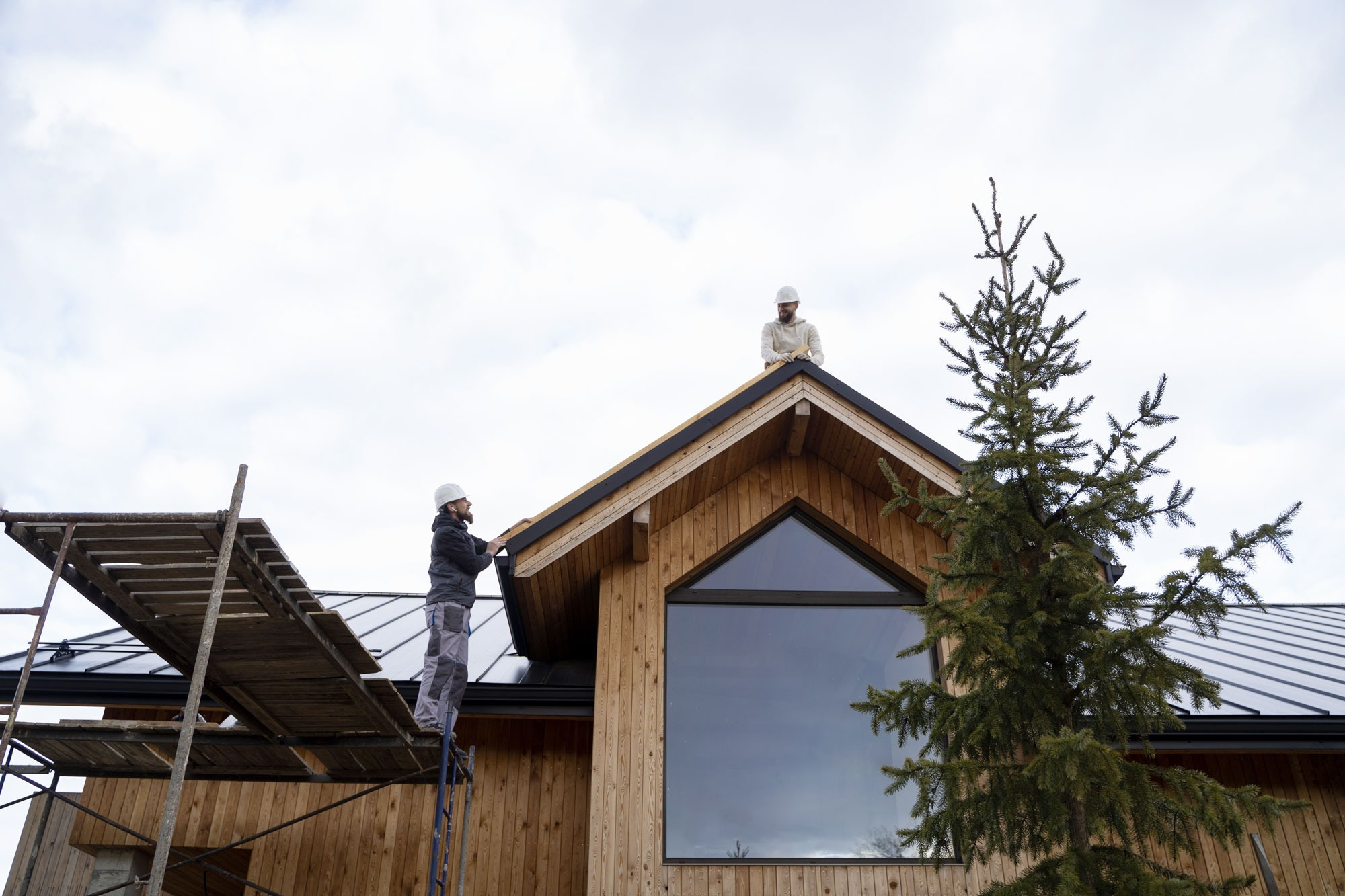
Start by having your roof inspected by an RBQ-certified roofer. They will assess the condition of the structure, measure the slope, and identify any specific constraints of your building. This information directly influences your material options. Having this overview before comparing products prevents you from shopping aimlessly.
Also consider your time horizon. Are you ready to re-roof in 15 years? Shingles will do the job. Do you prefer to invest once and not have to worry about it for several decades? Metal or membrane roofing become serious options. Your home's location also plays a role : significant exposure to strong winds, heat, or heavy rains affects how materials perform over time.
Maintenance makes a real difference in longevity, regardless of the chosen material. An inspection every spring, after the snow melts, allows you to catch signs of wear before they worsen. Clearing accumulated leaves and debris near flashing and water drains is a simple habit to adopt. Attic ventilation also deserves attention : good thermal insulation directly slows down the aging of roofing materials. If in doubt, it's best to consult a roofer without delay.
The right roofing material is one that matches your roof, your budget, and your durability expectations. Asphalt shingles perform well on sloped roofs. Elastomeric membrane remains essential for flat roofs. Steel or aluminum are the go-to options for those seeking the most durable solution on the market. Take the time to assess the situation with a professional: your home's roof deserves this attention before you make a decision.
Do you want to know which roofing material is right for your roof? The 123Couvreur team can connect you with RBQ certified roofers in your area.
Contact us and receive up to 3 free quotes to compare your options with peace of mind.