Roof inspection, maintenance and snow removal in Montreal. Find out how to prepare your roof for winter with the expert advice from 123Couvreur.

Each year, the first snowflakes remind homeowners in Greater Montreal that it is time to think about their roof. Pre-winter inspection and preventative maintenance can prevent costly leaks, ice, and emergency repairs.
Winter in Quebec is putting roofs to the test, especially when they have not been maintained for several years. Here's how to protect yours before the cold sets in.
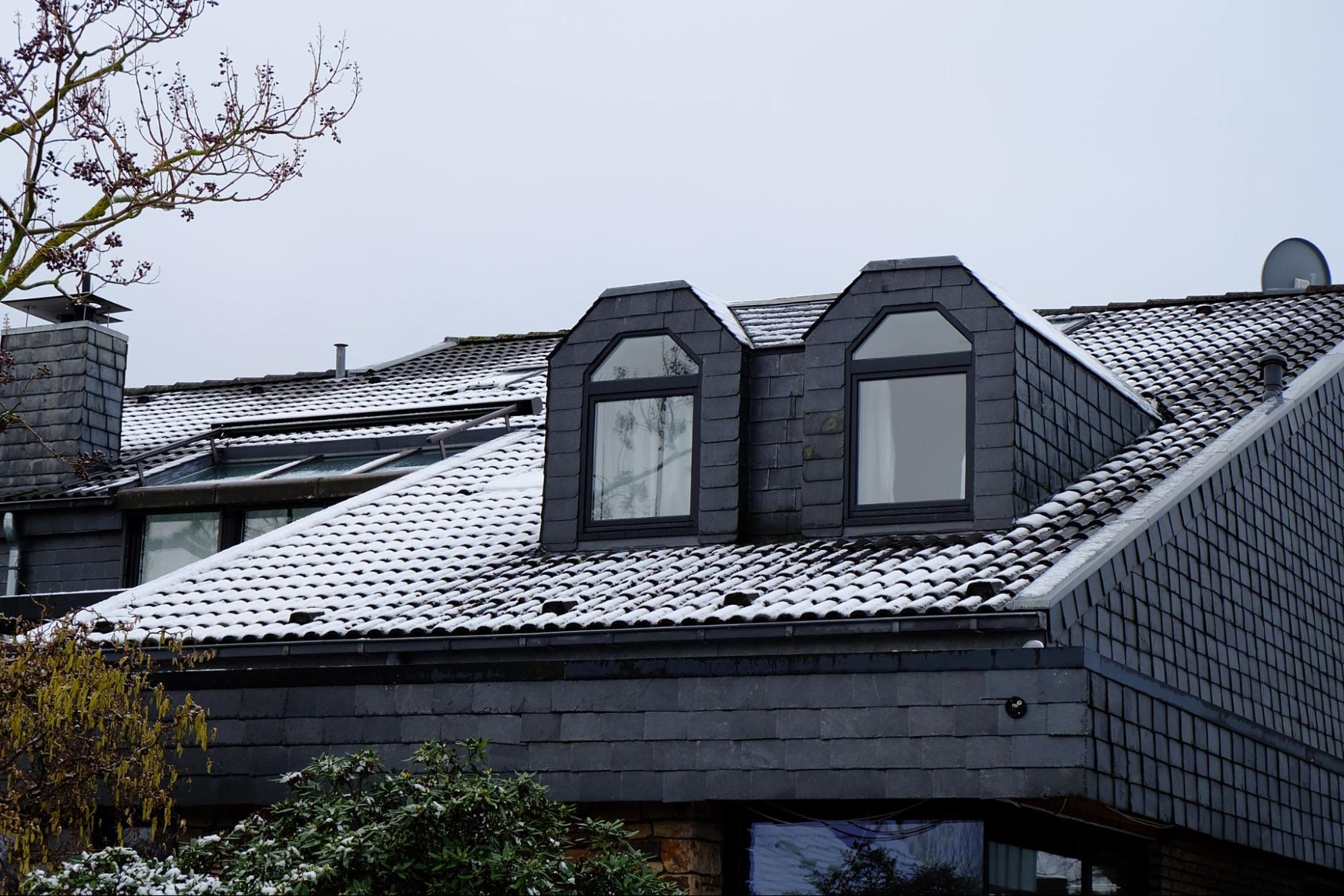
Before the roof is covered, a visual inspection can detect hidden problems. Look for raised shingles, cracks in joints, and signs of wear and tear around chimneys and skylights.
An experienced roofer can also check the condition of the membrane and the solidity of the structure. A small repair done on time can avoid infiltration all winter long.
Leaves, pine needles, and debris often block gutters. If the water no longer drains properly, it will freeze and form ice dams.
A cleaning in late fall 2026, once the leaves are down, ensures proper water drainage and reduces the risk of overflow.
It is also time to check that the downspouts are not obstructed.
Poor attic ventilation causes moisture to accumulate and ice to form on the roof. In Montreal, it is one of the main causes of premature roof deterioration.
Good air circulation and adequate insulation keep the roof dry, avoid temperature variations and extend the life of the coating.

For a sloped roof, the Quebec Construction Code (article 9.19.1.2.) requires an unobstructed vent area of at least 1/300 of the insulated ceiling area, or about 480 sq. in. for a 1,000 sq. ft. ceiling. The ratio rises to 1/150 if the slope is under 1:6 (2/12) or for a cathedral ceiling. Insulation must not block the soffit vents either.
Branches that touch the roof can damage the shingles and trap snow. Before winter, they should be pruned and any debris removed from the roof.
It also reduces the risk of accidents or falling branches during storms.
Snow accumulation is a considerable burden, especially for flat or low-sloped roofs. Excess can cause cracks, seepage, and even subsidence.
Hiring a professional snow removal service is the safest option, as recommended by the Régie du bâtiment du Québec. Trained roofers know exactly how much snow to remove without damaging the coating.
Budget-wise, for winter 2025-2026, residential roof snow removal in Quebec generally runs between $500 and $1,500 per visit, depending on roof size, slope and access. A small, simple roof can cost less, while an emergency visit with ice dams often exceeds $1,200.

The Régie du bâtiment du Québec points out that rain during a thaw makes the snow already on the roof heavier. If you notice unusual creaking, interior doors that stick or new ceiling cracks, the RBQ recommends having the roof cleared, regardless of how much snow is on it.
Good roof maintenance cannot be improvised. 123 Roofer quickly connects you with certified roofers in Greater Montreal for inspection, cleaning and preparation before winter.
A single online request allows you to get up to three free quotes from reliable professionals. You then choose the best offer according to your needs and your budget.
Protecting your roof before winter means protecting your entire house.